

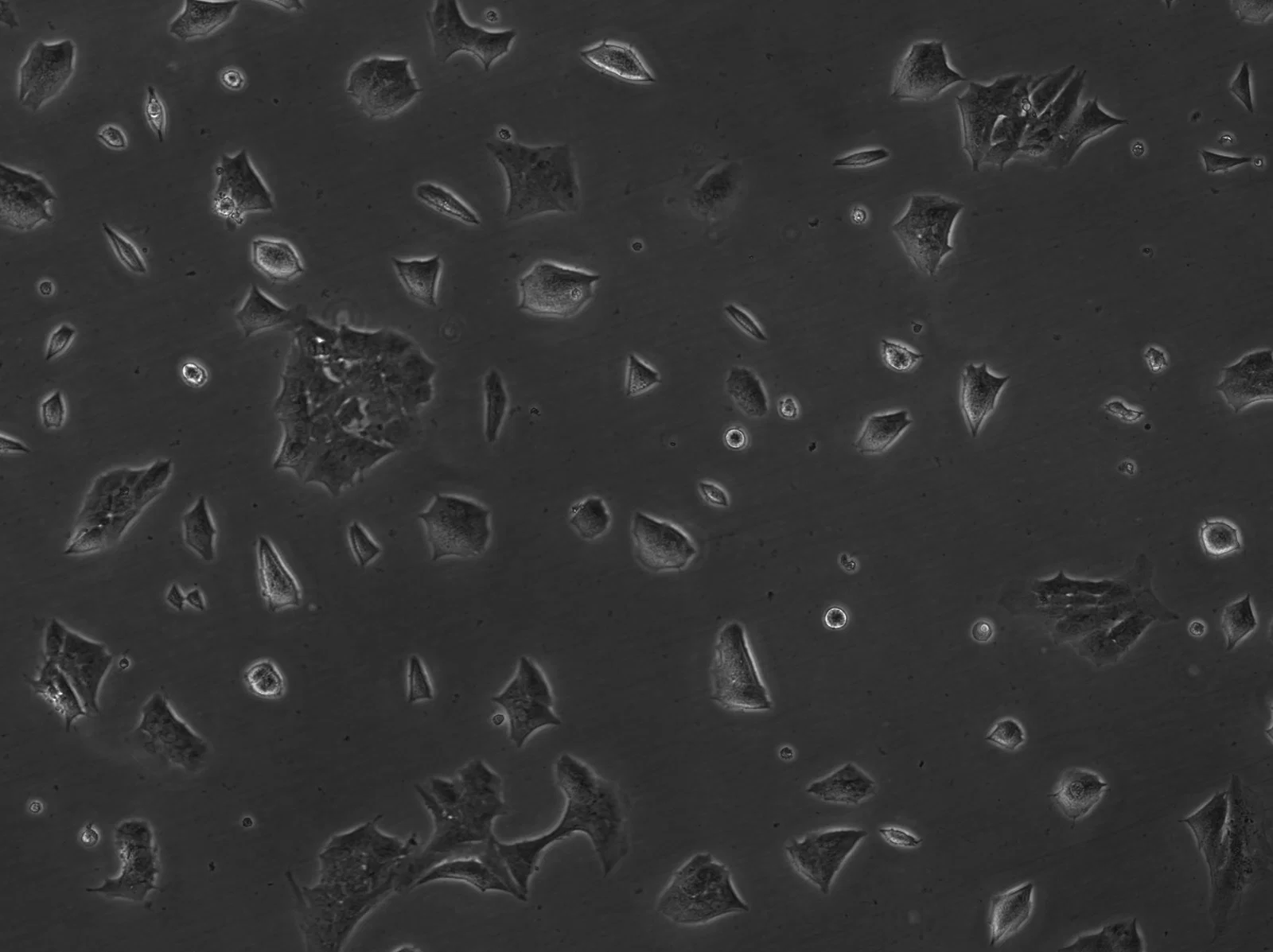
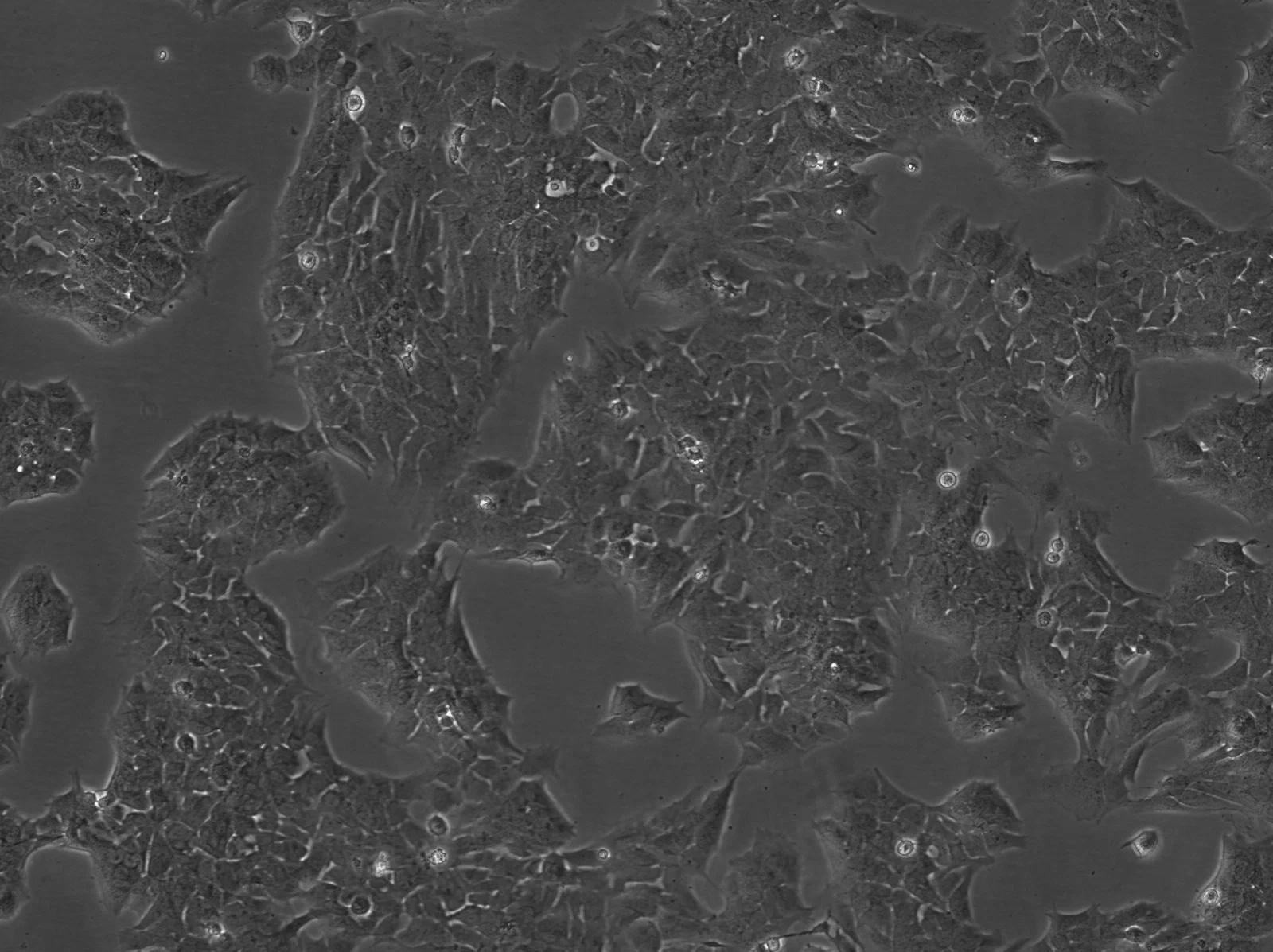
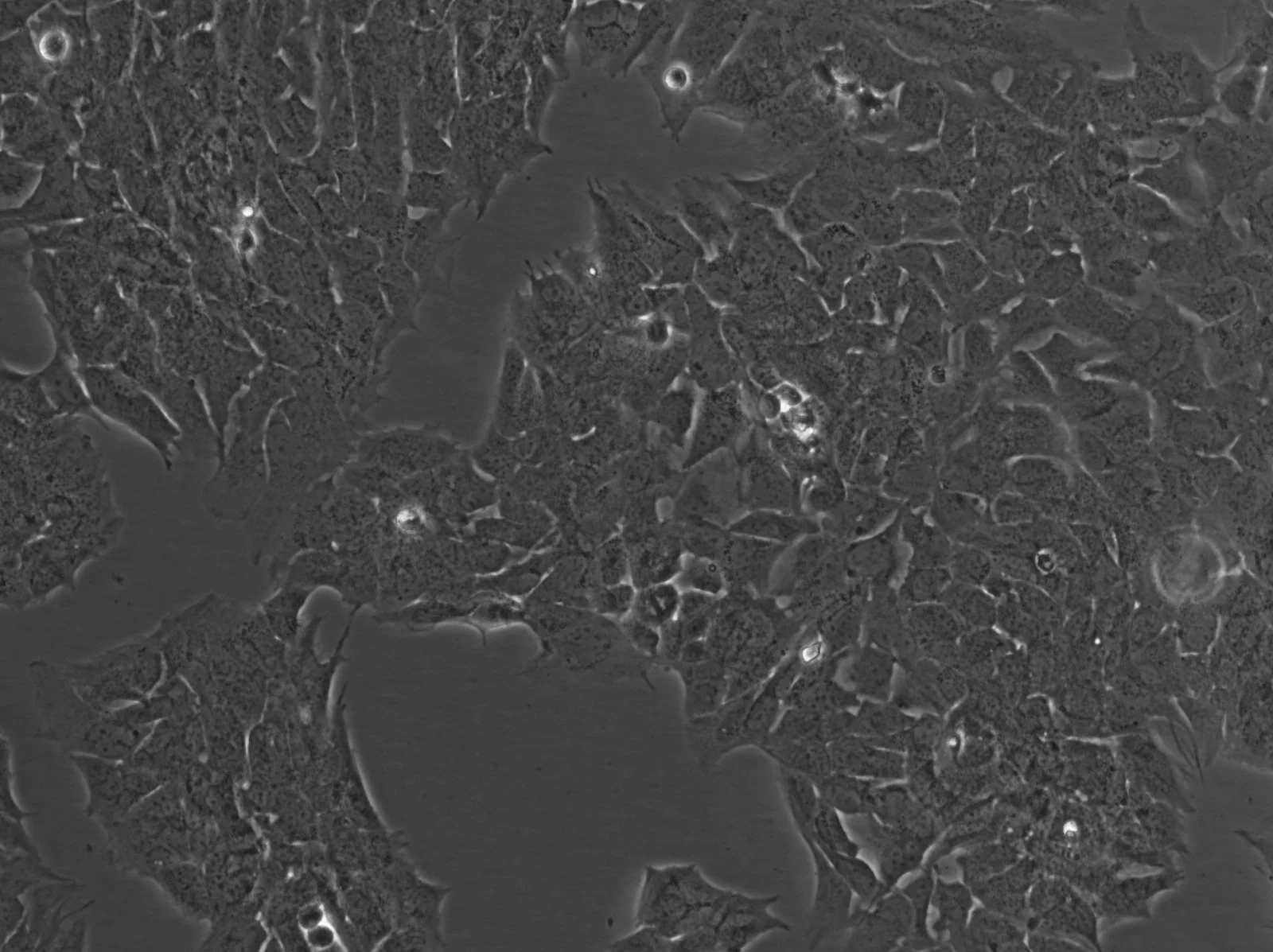
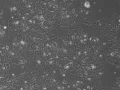
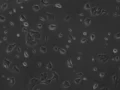

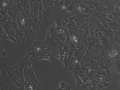
Buy GT1-7 Cells Ireland: Immortalized Hypothalamic Neurons for Neuroendocrine Research
If you are looking to buy GT1-7 cells in Ireland, you need a supplier that provides authenticated, mycoplasma-free immortalized hypothalamic neurons with verified viability (>90%), passage history documentation, and discreet cold-chain shipping directly from an Irish facility.
We supply GT1-7 cell lines exclusively as research tools for studying GnRH neuron biology, pulsatile hormone secretion, and neuroendocrine signaling pathways in controlled laboratory settings, never for human therapeutic or clinical use. Every vial is independently tested for identity (STR profiling), sterility, and functional responsiveness before dispatch, ensuring your neuroendocrinology research starts with reliable, reproducible biological materials shipped within 24–48 hours across Ireland and worldwide.
What Are GT1-7 Cells and Why Do Researchers Use Them?
GT1-7 cells are an immortalized neuronal cell line derived from mouse hypothalamic tissue that retains the ability to synthesize, process, and secrete gonadotropin-releasing hormone (GnRH) in a pulsatile manner. In research contexts, these cells serve as a critical in vitro model for understanding how GnRH neurons regulate reproductive function, respond to metabolic signals, and maintain circadian rhythmicity without the complexity and variability of primary neuronal cultures or live animal models.
Scientists do not use GT1-7 cells to treat infertility; they use them to dissect molecular mechanisms of GnRH gene expression, receptor trafficking, and secretory dynamics at the cellular level.
Unlike primary hypothalamic neurons, which have limited lifespan and heterogeneous responses, GT1-7 cells offer consistent, scalable, and genetically stable experimental platforms. They are widely used for:
- GnRH Secretion Dynamics: Studying pulse generator activity, calcium oscillations, and vesicular release mechanisms using real-time imaging and ELISA-based secretion assays.
- Metabolic Regulation of Reproduction: Investigating how leptin, insulin, ghrelin, and glucose modulate GnRH synthesis and release through specific receptor pathways.
- Neurosteroid & Peptide Modulation: Examining how bioregulators, kisspeptin, neurokinin B, and endogenous opioids influence GnRH neuron excitability and transcriptional activity.
- Toxicology & Drug Screening: Assessing impacts of environmental endocrine disruptors, pharmaceutical compounds, or novel peptides on GnRH neuron viability and function.
All GT1-7 cells are supplied as cryopreserved vials requiring immediate thawing and culture in specialized neuronal media. Crucially, this cell line is not approved for any human application, and its distribution for non-research purposes violates Irish and EU biosafety regulations. Our role is solely to support legitimate scientific inquiry into hypothalamic-pituitary-gonadal axis biology.
Why Sourcing GT1-7 Cells from an Irish Supplier Is Critical for Cell Culture Success
Purchasing GT1-7 cells domestically offers advantages that directly impact cell viability, experimental reproducibility, and regulatory compliance—especially for time-sensitive neuroendocrine studies. First, minimized transit exposure preserves post-thaw recovery rates. Cryopreserved neurons are exquisitely sensitive to temperature fluctuations during shipping; even brief warming above -150°C can cause ice recrystallization, membrane damage, and reduced attachment efficiency upon thawing.
Our Dublin-based facility ships via validated dry-vapor shippers with continuous temperature monitoring, ensuring cells arrive at <-150°C within 24–48 hours for most Irish destinations—far faster than international routes where packages may sit in unmonitored customs warehouses.
Second, customs-free domestic movement eliminates seizure risk and thermal excursions. International shipments of live cell lines, even when declared as research materials, may be held for inspection, opened, or subjected to ambient temperatures that compromise viability. By sourcing locally, your GT1-7 cells travel through regulated domestic logistics with full chain-of-custody documentation and active temperature logging, preserving functionality from freezer to incubator.
Third, local accountability ensures rapid resolution of culture issues. If cells fail to attach, show contamination, or exhibit aberrant morphology upon thawing, you’re working with an Irish-based team who understands neuronal culture protocols and troubleshooting timelines. There’s no timezone delay, no language barrier, and no offshore dispute process. For labs running time-course secretion assays or electrophysiology experiments, this responsiveness prevents wasted reagents, lost passages, and delayed publications.
Understanding GT1-7 Cell Quality Control and Authentication Standards
Not all GT1-7 cell preparations meet the rigor required for publishable neuroendocrine science. The difference between valid pulsatility data and irreproducible noise lies in authentication, sterility, and functional validation. Here’s what defines professional-grade GT1-7 cells for laboratory use:
STR Profiling and Species Verification
Misidentified or cross-contaminated cell lines are a leading cause of irreproducible neuroscience research. All GT1-7 batches undergo short tandem repeat (STR) profiling against reference databases (e.g., Cellosaurus, ATCC) to confirm murine origin and absence of human or other species contamination.
We also verify Gnrh1 gene presence via PCR to ensure genetic integrity. Certificates of Analysis include full STR allele calls and match scores—never assume “GT1-7” label guarantees authenticity. Batches failing verification are destroyed, not relabeled.
Mycoplasma Testing and Sterility Assurance
Mycoplasma infection alters GnRH secretion patterns, gene expression, and drug responses without visible turbidity, silently invalidating experiments. All GT1-7 vials are tested via PCR-based mycoplasma detection (sensitivity <10 CFU/mL) and bacterial/fungal sterility screening per Ph. Eur. guidelines prior to cryopreservation.
Your COA explicitly states negative test results with assay sensitivity limits. For sensitive applications (e.g., co-culture with pituitary cells), we offer additional testing for common neuronal contaminants like * Acholeplasma laidlawii*. Never skip mycoplasma testing—it is non-negotiable for credible neuroendocrine work.
Functional Validation of GnRH Pulsatility
Viability alone is insufficient; GT1-7 cells must retain physiological relevance. Each batch undergoes functional assessment including:
- Basal and stimulated GnRH secretion (measured by RIA/ELISA)
- Calcium imaging response to kisspeptin or high-K+ depolarization
- Gnrh1 mRNA expression levels via qRT-PCR
- Attachment efficiency and neurite outgrowth metrics post-thaw
Only batches meeting predefined functional thresholds are released. The COA includes representative secretion curves and imaging traces—not just pass/fail statements. This ensures your cells behave like true GnRH neurons, not generic immortalized lines.
Featured GT1-7 Cell Products Available in Ireland
Our catalog includes only well-characterized GT1-7 preparations optimized for specific investigative applications:
GT1-7 Standard Passage-Low Vials – Gold Standard for Pulsatility Studies
Supplied as cryovials containing 1×10⁶ viable cells in freezing medium (90% FBS + 10% DMSO), passage ≤15 post-authentication. Ideal for baseline GnRH secretion assays, calcium imaging, and pharmacological screening where consistent pulsatile behavior is paramount. Low passage minimizes drift in receptor expression and secretory capacity.
COA includes STR profile, mycoplasma status, functional validation data, and recommended culture conditions (DMEM/F12 + 10% charcoal-stripped FBS + pen/strep). Thaw rapidly in 37°C water bath and plate on poly-D-lysine-coated dishes.
GT1-7 Kisspeptin-Responsive Subline – Metabolic-Reproductive Interface Research
A selected subpopulation exhibiting enhanced KISS1R expression and robust GnRH secretion response to kisspeptin-10 stimulation. Optimized for studies linking energy status to reproductive function, including leptin-kisspeptin-GnRH axis modeling and nutrient-sensing pathway dissection.
Validated via dose-response curves to kisspeptin (EC₅₀ ~1 nM) and cAMP accumulation assays. Supplied with companion protocol detailing optimal stimulation timing and media composition. Essential for researchers investigating obesity-related hypogonadism or PCOS mechanisms in vitro.
GT1-7 GFP-Reporter Line – Real-Time GnRH Promoter Activity Monitoring
Stably transfected with GFP under control of the Gnrh1 promoter, enabling live-cell visualization of transcriptional dynamics without fixation or lysis. Used for high-content screening, circadian rhythm tracking, and real-time assessment of epigenetic modulator effects on GnRH gene expression.
Fluorescence intensity correlates with endogenous Gnrh1 mRNA levels (r² >0.85). Requires fluorescence microscopy setup; supplied with validation data confirming reporter fidelity across multiple stimulatory paradigms. Avoid prolonged light exposure during handling to prevent photobleaching.
Companion Reagents: Neuronal Culture Media & Coatings
Proper culture conditions are as critical as cell quality. We supply validated reagents including:
- Charcoal-Stripped FBS: Removes steroid hormones that confound GnRH regulation studies
- Poly-D-Lysine/Laminin Coating Kits: Enhances neuronal attachment and neurite extension
- Kisspeptin-10 & Neurokinin B Peptides: HPLC-pure ligands for functional assays
- GnRH ELISA/Ria Kits: Optimized for GT1-7 supernatant sensitivity
These are tested in-house with our GT1-7 cells to ensure compatibility—never substitute with unvalidated alternatives.
Shipping, Handling, and Compliance for GT1-7 Cell Orders
Live cell lines require specialized handling due to viability constraints, biosafety considerations, and research-only designation. Here’s how we ensure integrity and compliance:
Validated Cold-Chain Shipping Protocol
All GT1-7 shipments use dry-vapor liquid nitrogen shippers with ≥10-day hold time, pre-conditioned and calibrated before dispatch. Temperature loggers record internal conditions every 15 minutes; data is included with shipment and digitally transmitted upon delivery. Outer packaging is UN-certified, leak-proof, and labeled with biohazard symbols per IATA regulations.
Upon arrival, transfer vials directly to liquid nitrogen storage (-196°C); do not store in -80°C freezers long-term. Thaw only when ready to culture—repeated freeze-thaw cycles destroy neuronal viability.
Discreet Documentation and Biosafety Compliance
Outer packaging bears no cell line names or institutional identifiers. Inner packing slips list contents as “immortalized murine neuronal cell line – research use only” with HS code 3002.90 and batch COA reference. Digital COAs and safety data sheets (SDS) are emailed separately.
For international shipments, commercial invoices specify “not for human use, not a medicinal product, for in-vitro research only” with explicit biosafety level (BSL-1) designation. No culture protocols suggesting human applications are ever included—only technical handling guides aligned with institutional biosafety committee requirements.
Strict Research Use Only Enforcement
GT1-7 cell orders undergo enhanced verification due to potential misuse in unregulated fertility or hormone therapies. Red flags triggering manual review include: residential addresses without lab affiliation, requests for “clinical-grade” cells, quantities exceeding typical research scale (>20 vials single order), or payment methods associated with consumer health markets.
Approved buyers must confirm via email or institutional account verification that they represent a recognized research entity conducting legitimate neuroendocrine studies. We reserve the right to cancel non-compliant orders and report suspicious activity. By purchasing, you affirm adherence to Irish HPRA biosafety guidelines and institutional ethics policies.
Frequently Asked Questions (FAQs)
Can GT1-7 cells be reliably cultured in standard neuronal media?
Yes, but only with charcoal-stripped serum and poly-D-lysine coating. Regular FBS contains steroids that suppress GnRH expression and alter pulsatility. Always use DMEM/F12 base with 10% charcoal-stripped FBS, 1% pen/strep, and 2 mM L-glutamine. Plate on poly-D-lysine (50 µg/mL) or laminin-coated dishes to promote neuronal morphology.
Change media every 48 hours; avoid over-confluence (>80%) as contact inhibition reduces GnRH secretion. Validate your culture system with positive controls (e.g., kisspeptin stimulation) before experimental runs.
How do I confirm my GT1-7 cells are functioning correctly post-thaw?
Perform a functional validation assay within 48–72 hours of plating:
- Measure basal GnRH secretion over 2-hour intervals (collect supernatant, assay via ELISA)
- Stimulate with 100 nM kisspeptin-10 for 30 min; expect 3–5x increase in GnRH release
- Image calcium flux using Fluo-4 AM dye; observe synchronized oscillations in >60% of cells
- Check Gnrh1 mRNA via qRT-PCR (normalize to Gapdh)
Failure to respond indicates poor recovery, contamination, or phenotypic drift—do not proceed with experiments. Contact us with passage number and validation data for troubleshooting support.
What storage conditions preserve GT1-7 viability long-term?
Cryopreserved GT1-7 cells must be stored in liquid nitrogen vapor phase (-150°C to -190°C), never in -80°C freezers (ice recrystallization occurs above -130°C). Use certified LN₂ tanks with continuous level monitoring and alarm systems. Record freeze dates and passage numbers; discard vials after 2 years or if tank logs show temperature excursions >-140°C.
Thaw rapidly in 37°C water bath (<2 min), dilute dropwise in pre-warmed media to minimize DMSO toxicity, and centrifuge gently (200 × g, 5 min) to remove cryoprotectant. Document all handling steps for reproducibility.
Are there legal restrictions on possessing GT1-7 cells for research in Ireland?
Possession of GT1-7 cells for legitimate laboratory research is legal in Ireland provided they are handled under appropriate biosafety containment (BSL-1) and not intended for human administration. These cells are unlicensed biological materials but not controlled substances.
However, importing them without proper documentation may trigger customs scrutiny. Always declare shipments accurately as “research cell lines” with supporting COAs, SDS, and institutional affiliation proof. Maintain records demonstrating research purpose (e.g., ethics approval, grant documentation, lab notebooks) in case of regulatory inquiry. Consult your institution’s biosafety officer for site-specific compliance requirements.
What should I do if my GT1-7 cells fail to attach or show contamination post-thaw?
Do not attempt to rescue contaminated cultures. Photograph flasks with batch ID visible and contact us immediately with your order number, passage history, and culture conditions. We will issue a replacement vial within 48 hours and initiate a root-cause investigation into shipping/storage/handling.
Non-attachment often stems from inadequate coating, old media, or excessive DMSO exposure—review your protocol against our validated SOPs. Prevent future issues by verifying shipper temperature logs upon delivery, thawing correctly, and using fresh, validated reagents. Your research depends on uncompromised starting materials—we stand behind every vial.


Leona –
Vials came in perfect condition.